Basecamp Research, a London-based life sciences startup, has raised $140 million in Series C funding. This investment round was led by S32, with new investors including Anthropic, Catalio, and the UK government’s Sovereign AI Fund. Returning investors included Nvidia’s venture arm. The company, founded in 2019, has now raised a total of $225 million.
Basecamp Research uses artificial intelligence and biodiversity data to design new medicines. The funding will be used to train a new generation of its AI models and advance its pipeline of AI-designed therapeutics. The startup applies its biological foundation AI models, called Eden, to in vivo cell therapy, aiming to make treatments more sophisticated and simpler to administer. Co-founder Glen Gowers stated, "We believe the future of medicine lies in reprogramming the body to repair itself. We design the models and the medicines to teach it how." The company's AI models are trained on a proprietary genomic dataset collected globally.
Airtel Money confirmed this week its plans for a multi-billion pound IPO in London. The African mobile payments business is reportedly seeking a valuation as high as £6.8bn. It expects to raise as much as $800m from investors. This listing could become Britain's biggest in years.
The decision comes amid a period of fewer IPOs in London, with some firms putting plans on hold or choosing New York. For example, roadside assistance firm RAC recently paused a London IPO, and software group Visma has delayed its London debut. Ian Ferrao, Airtel Money's chief executive, explained the choice. He said, "There is clearly deep capital available in the London markets, and that's apparent from all the investor outreach we've done." He also noted London's understanding of emerging markets and Airtel Africa's established presence on the London Stock Exchange.
Brahma AI, a London-based startup, has secured a $150 million funding round. Multiples Alternate Asset Management led the investment. The company specialises in assisting enterprises with the management, creation, localization, and distribution of audiovisual content, utilising artificial intelligence for these operations.
The City of London is nearing approval for a new development framework. This framework has the potential to enable increased skyscraper construction. This progress follows Housing minister Matthew Pennycook's withdrawal of his objections to the plans last week.
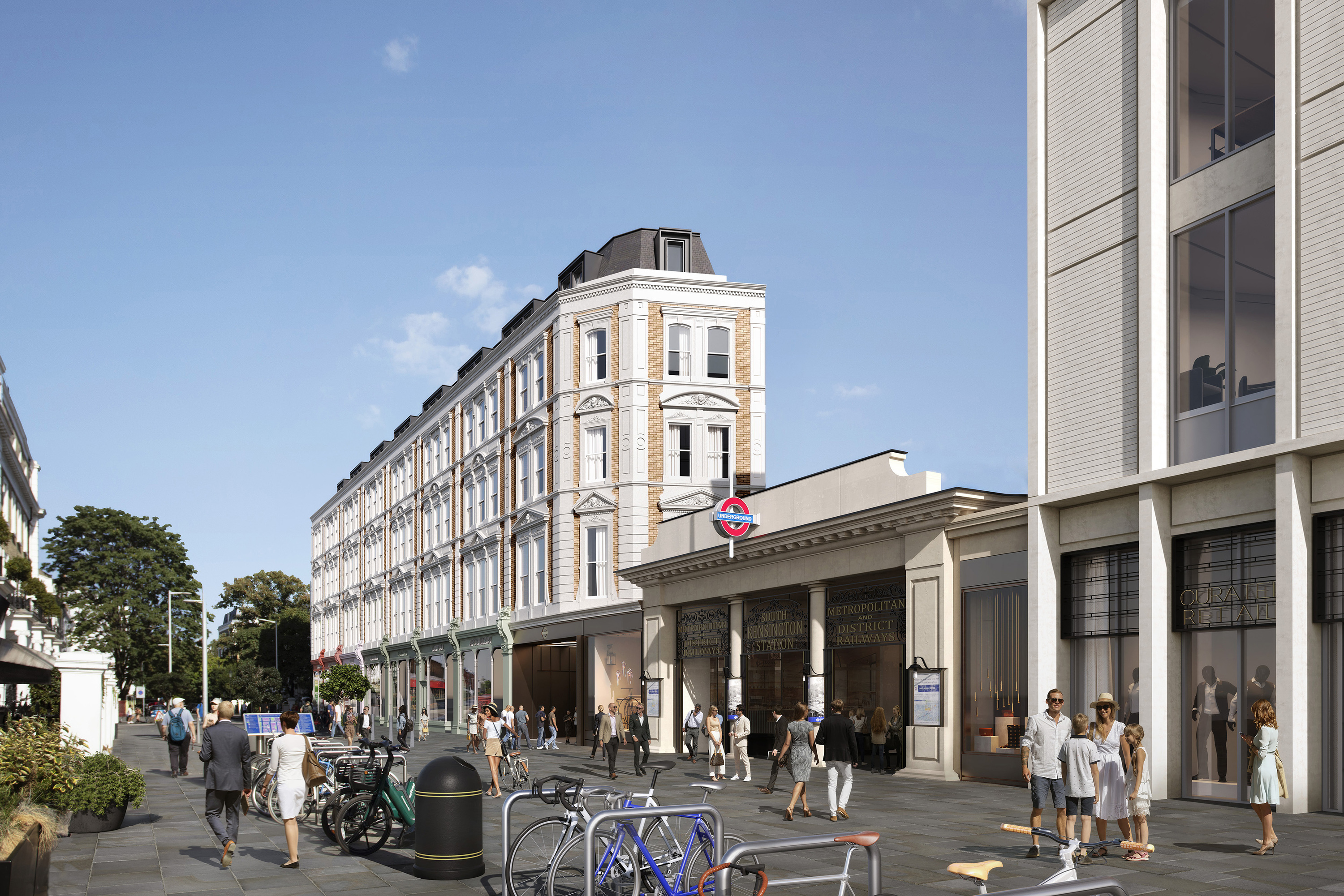
Transport for London announced it will award the design and build contract for the South Kensington Tube station revamp to Costain. This decision allows the project, which received planning permission three years ago, to fully progress. The redevelopment is expected to cost more than £120 million. Work is anticipated to begin before the end of this year and conclude by 2031.
The primary aim is to introduce step-free access to the Circle, District, and Piccadilly line platforms, the ticket hall, and the subway leading to the museums. This will be facilitated by a new accessible station entrance on Thurloe Street. TfL estimates that over 500,000 journeys annually have not been made to or from the station due to its current accessibility issues. The project also includes a new eastbound platform for the Circle and District lines, restoration of heritage features, and a makeover of the shopping arcade. This will provide 53 new homes, 35 percent of which will be affordable, alongside new food, drink, and office units in a four-storey building.
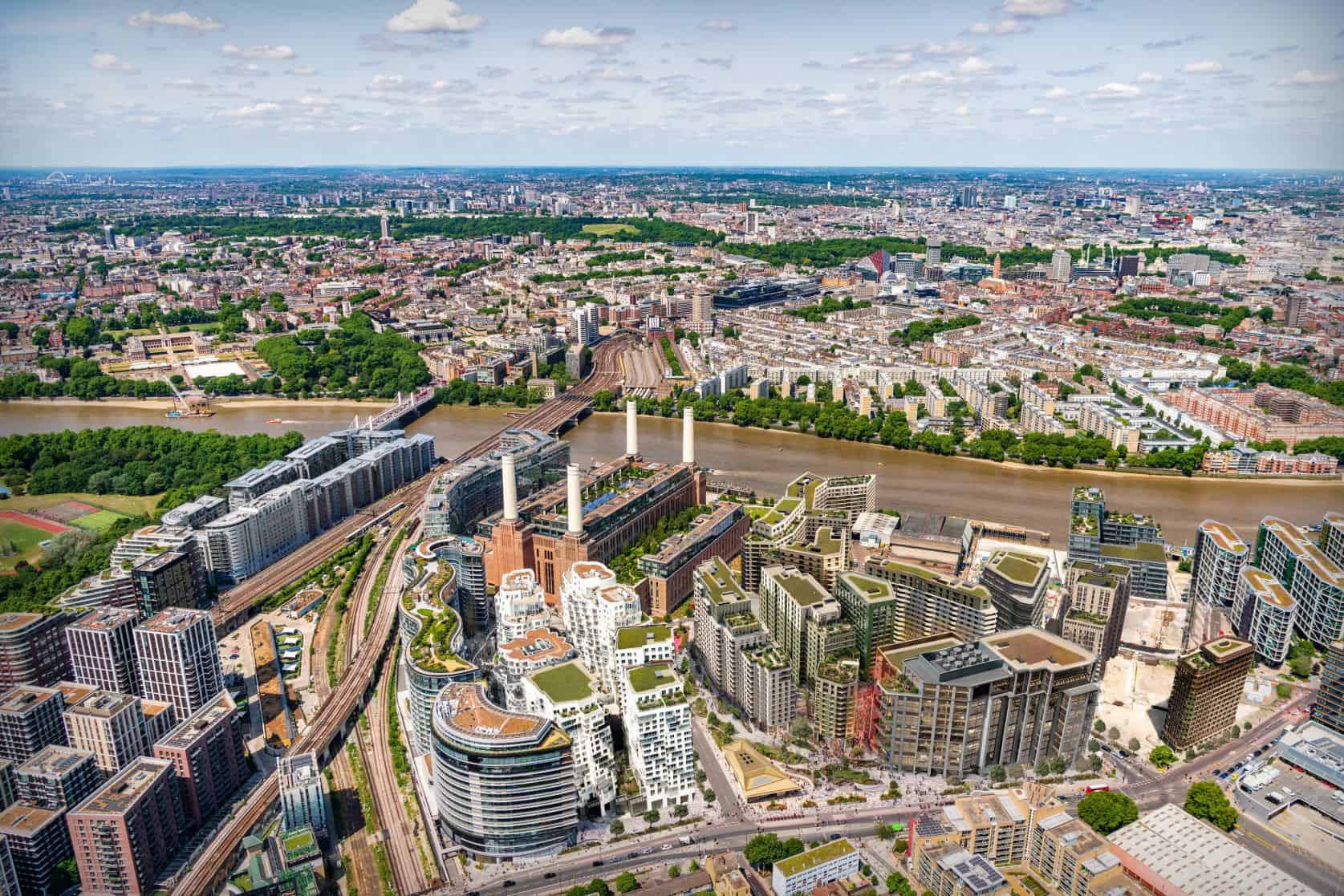
On 14 September 2026, Battersea Power Station submitted a planning application. This application outlines a revised masterplan for the remaining 16 acres of its 42-acre regeneration site. The proposals include up to 3.2 million sq ft of residential, commercial, leisure, and cultural space.
Studio Egret West developed these proposals, evolving Rafael Viñoly’s original masterplan, which is over 15 years old. The new vision reflects changes in how people live, work, and spend leisure time in the city. Plans include dividing remaining phases into smaller building clusters and introducing a finer network of streets and passages. A 'Third Generator' venue is also proposed, intended for arts, music, fashion, and education. Tan Sri Shahril Ridza Ridzuan, Chairman of Battersea Project Holding Company, stated, "The submission of our revised masterplan for the remaining 16-acres of Battersea Power Station is a critical step forward in realising the vision for this vibrant mixed-use neighbourhood." Phase 5A, delivering 200 new council homes, has already received detailed planning permission. Further phases will require design detail and Reserved Matters applications.
The UK's competition regulator has put forward a proposal that Google should allow ChatGPT and Perplexity to be set as default search options on Android devices. This initiative is linked to the regulator's designated strategic market status review of Alphabet.
Reported by GOV.UK, via Opening Bell Daily, 2026-09-24
On Friday 25 September 2026, the White House asked OpenAI and Anthropic to withhold their latest AI models from Britain's safety watchdog. The US Office of the National Cyber Director requested that American companies give Washington the first look at new models. This must happen before sharing them with the UK's AI Security Institute. Anthropic appears to have already complied, not providing its Claude Mythos 5.1 model to AISI.
This decision threatens the UK's early access to frontier artificial intelligence technology. The AI Security Institute has built relationships with developers to test powerful models for vulnerabilities before release. AISI director Henry de Zoete acknowledged not receiving Anthropic's latest model. The US move highlights a growing divide over global AI governance, as the Trump administration has rejected new international standards. This intervention could complicate Britain's G20 presidency next year, which aims to focus on AI safety.
Thames Water reported on Monday that a burst main in West Molesey affected an estimated 15,000 properties. At its height, 14 London postcodes across five boroughs were left without water supply. Repair teams isolated the burst main and rerouted water around the network to restore supply.
Repair work is still underway, with Thames Water estimating the permanent fix could take days as materials are not due until later this week. Paul Kohler, Lib Dem MP for Wimbledon, stated, "It is simply unacceptable for thousands of households to be left in this situation." Several businesses were forced to close, and some schools shut on Monday, though most have since reopened.
To access the site safely, Thames Water removed three small trees. The company has apologised for the inconvenience and confirmed customers should now have restored access to water. Bottled water stations remain available for those who require them.
Reported by The Standard, via The Londoner, 2026-09-28
By the end of September, approximately 20 shops at Gabriel’s Wharf on the South Bank will close. This follows a decision by their landlords, Coin Street Community Builders (CSCB), to close the area for redevelopment. Tenants were informed in April 2025 that 2026 would be their last year of trading. Hartex, a vintage football kit shop, is among the businesses affected, with its owner Harry Sims displaying a sign stating "10 days before demolition".
The relationship between the tenants and CSCB has deteriorated since the initial announcement. Harry Sims and other independent business owners claim communication from CSCB has been poor. They also state that the landlords do not have a clear plan for the space. The closure will end trading for all businesses at Gabriel’s Wharf by the end of September, ahead of the planned redevelopment of the site.
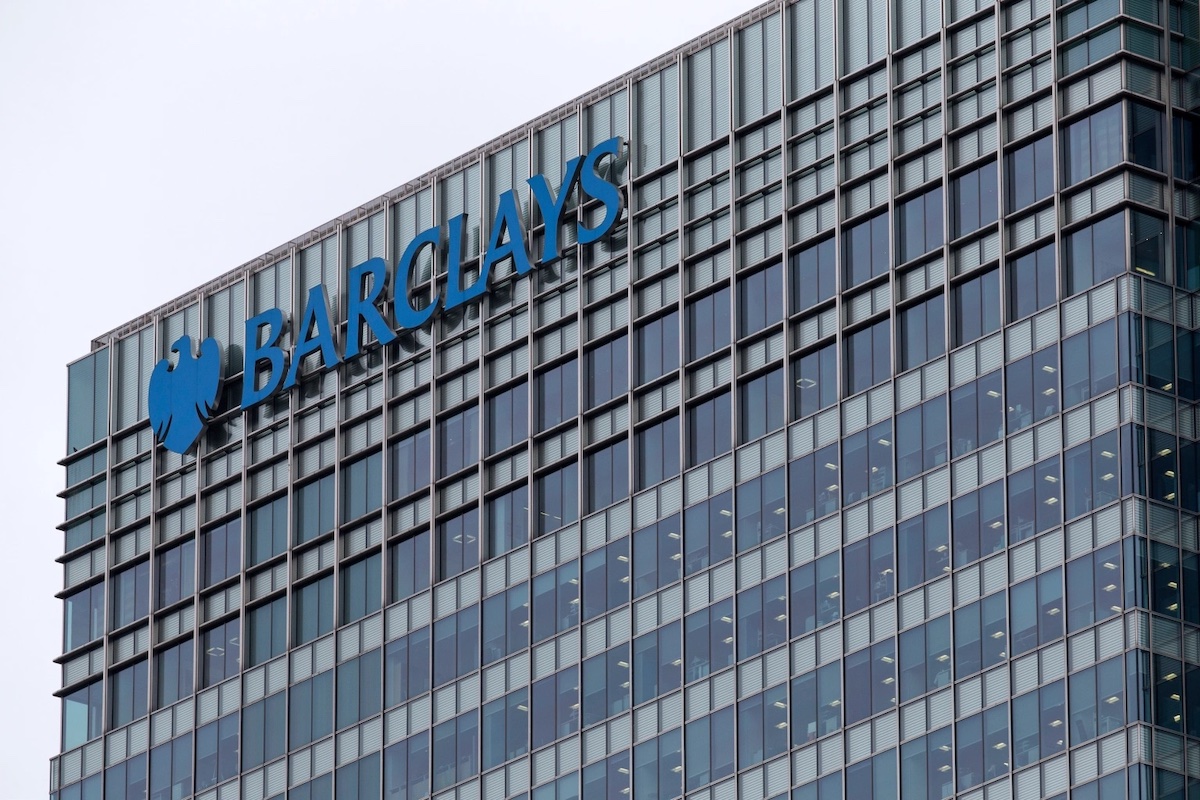
London is projected to account for 53 per cent of all new UK banking job vacancies in 2026. Data compiled by recruitment firm Morgan McKinley indicates UK banking vacancies are set to rise by nine per cent overall. Postings in London are growing more than 18 times the rate seen across the UK. Barclays increased its vacancies by 24 per cent year-on-year. JP Morgan Chase and Citi also boosted postings, while Lloyds Bank reduced them. Manchester vacancies are expected to rise 69 per cent.
This growth is occurring as demand shifts towards commercial and technological roles. Chris Lawton, UK senior managing director at Morgan McKinley, stated, "demand was shifting towards commercial and technological roles while accountant vacancies weakened". The banking sector faces a potentially difficult Budget. Chancellor John Healey may increase a levy on banking profits. Economists at the Resolution Foundation estimate his headroom has dropped to £5bn. The Confederation of British Industry expects activity to fall in the three months to December.
NVIDIA cut AI agent costs by half without touching the model
NVIDIA used a research AI to redesign the machinery around an AI model. This effort identified four mechanisms from 152 ideas, resulting in a 50 to 54% reduction in API costs for AI agents at comparable quality. This saved an estimated $8.75 to $13.50 per hour of agent work.
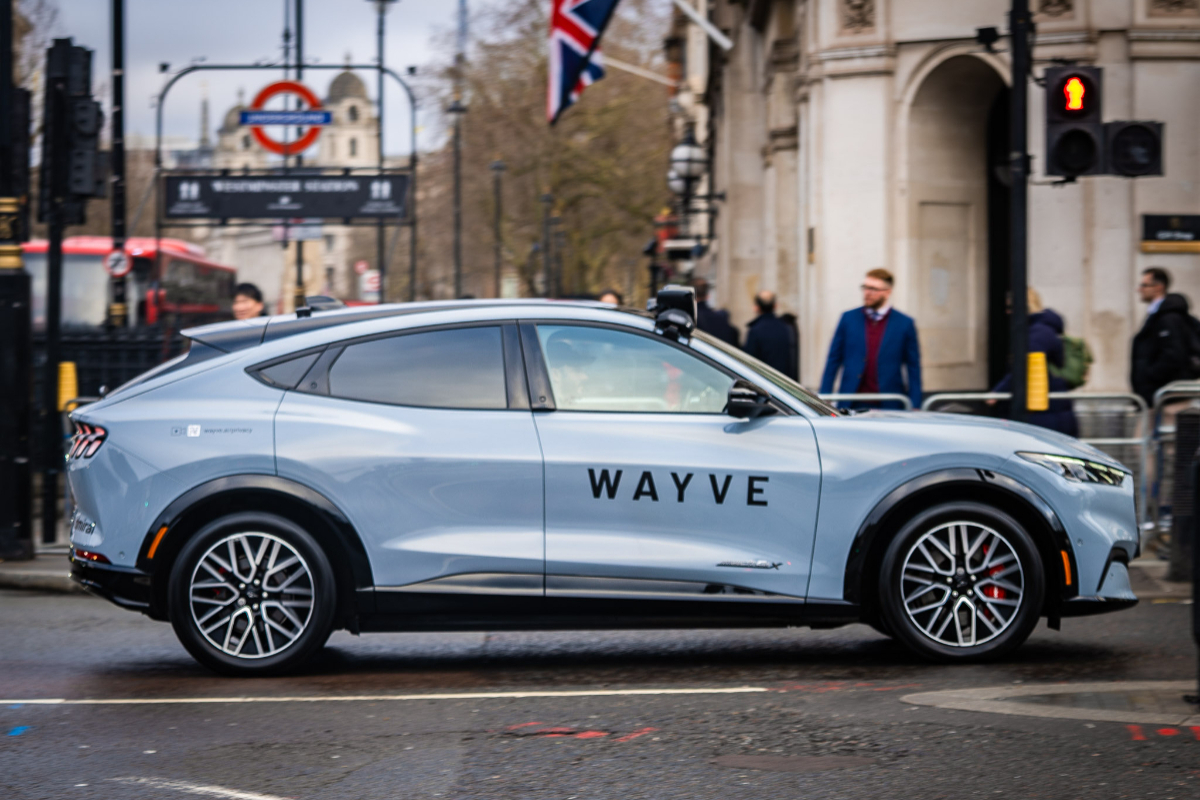
Mercedes-Benz will integrate British start-up Wayve's self-driving technology into its cars within two years. This marks Wayve's third major production deal in less than nine months. The German carmaker has signed an agreement to integrate Wayve's AI Driver into future models. This will allow cars to handle point-to-point journeys through cities with advanced driver assistance. Mercedes is the first premium carmaker to adopt Wayve's technology, following previous deals with Nissan and Stellantis.
Wayve's technology differs from many conventional autonomous driving systems. It does not rely on high-definition maps or software programmed for individual cities. Instead, its AI is trained on driving data to respond to different roads and environments. The company aims to use the same underlying system across multiple vehicles and markets. Mercedes technology chief Jörg Burzer stated, "This partnership marks the world's first integration of the Wayve AI Driver in the premium segment". Customers are expected to access the first Mercedes vehicles using Wayve's technology within the next two years.
Women currently make up 20 per cent of the tech industry, but are leaving the sector twice as fast as men. The Love Lace report found that the tech industry is losing between £2bn and £3.5bn every year due to a broken career framework. This framework is disproportionately affecting women and driving talent out of the sector.
To address this, Women in Tech Week 2026 will run from 12th to 16th October. The week includes 100 free events across the UK, designed to attract, develop, retain, and celebrate women in technology. Participating organisations include Lloyds, Accenture, Bank of America, and PwC. Vanessa Vallely, founder of We are the City, stated that women in technology need access to skills, networks, and opportunities to move forward.
KPMG, Deloitte, EY, and PwC are all restructuring their graduate training programmes. This decision comes as artificial intelligence automates many tasks traditionally performed by first-year graduates. These tasks historically included data entry and basic report preparation.
The changes mean graduates now take on complex, judgement-based work earlier in their careers. Firms are focusing training on core human and workplace skills. Marc Burrows, chief people officer at KPMG UK, stated, "Graduates will become more involved in reviewing and exercising judgement rather than simply producing outputs, while still developing a broad range of professional skills." Critical thinking, resilience, adaptability, and relationship-building are now top priorities. PwC has introduced debating sessions, and KPMG's rejigged programme includes front-loaded exams.
The Big Four have recognised the need to review their approach to Graduate schemes in the dawn of AI, yet the UK Curriculum still feels stuck in a time loop. It's a tough boundary to draw but AI is and will be a large part of the next generations future yet discussions in schools are yet to reflect that.
The conversation around attracting females in to the Tech sector has been one that has run for decades, now it seems we have a leaky bucket problem as well.
Great to see London attracting investment and big names to the FTSE though. It's not all doom and gloom, ignore the headlines and keep building.